
Sustainability

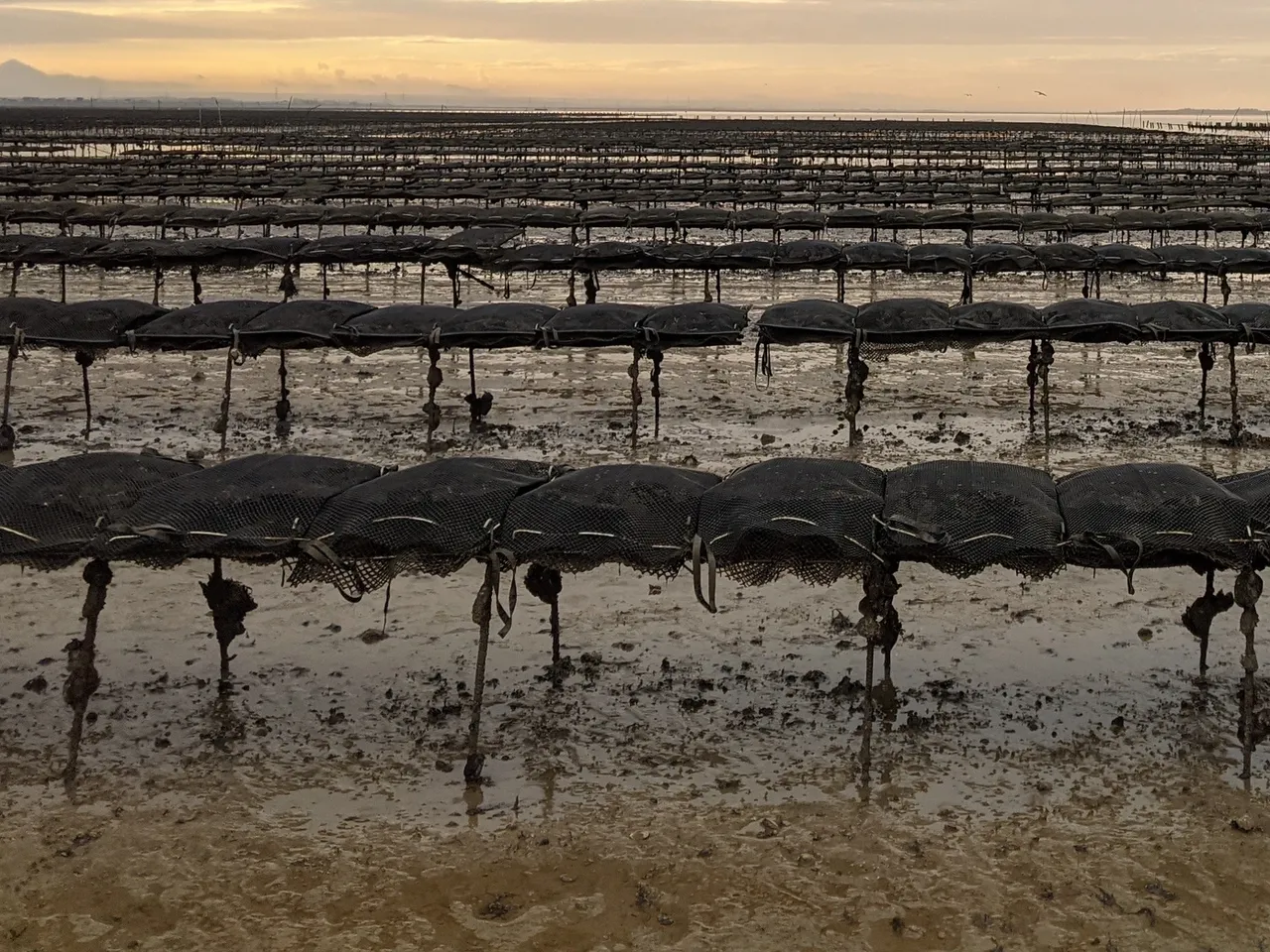
Oysters are a key species in the maintenance of a health marine environment. Their ability to filter vast quantities means that they are crucial in the cycle of carbon and nitrogen.
By filtering the water of phytoplankton (their food) and other debris, which is metabolise and excreted back into the sea. Other species rely on oysters to free up the un-used resources in the sea.
Farmed oysters are considered one of the most sustainable forms of protein . They are able to grow rapidly by consuming the naturally occurring food in the waters in which they grow. Labour is the only human input required to process and harvest them for consumption.
Both arable and pastoral farming require land which could be used for many other purposes such as human habitation. This is not a problem for the production of oysters which are grown in the seas that surround the UK.
Brackish Water (part saltwater, part freshwater) provides the perfect place to farm oysters, the delicate balance enables them to thrive. The waters that surround the UK are host to a number of intertidal oyster farms which are situated in some of the , so they know they will do well.
The UK is surrounded by Brackish water, and you will sure to find oysters in many of the waterways of the British Isles. The Romans sure did! They loved British oysters, so much that they brought them back to the heart of the empire, Rome.
Oysters are seen as a viable carbon sink, which is pertinent in the current climate. Through the production of their shell they are able to remove carbon dioxide and turn it into their shells which can remove vast amounts of greenhouse gasses from the atmosphere and oceans.